For over a decade, Tuvoc has been providing real estate marketplace development services globally. We build marketplace solutions that are actually used by buyers, sellers, landlords, and tenants simultaneously. Buyers and sellers will both be your clients; your agents will be engaging with them smoothly, and your marketplace will have more opportunities to generate revenue.
Instead of dealing with messy setups, at Tuvoc, we help you launch a clean space where agencies list easily, buyers find homes fast, and your platform makes money through a monetization model that fits your business. You focus on capturing market share. We, as a real estate software development company, will run the heavy tech in the background so your infrastructure stays rock-solid when the transaction volume spikes.
Plan Your Real Estate Marketplace



















When liquidity is supported by instant listing sync and smooth property search, a real estate marketplace development succeeds. More importantly, when agents engage instantly, buyers find homes, and transactions happen fast, PropTech Marketplace grows the fastest. Tuvoc knows that real estate marketplaces don’t struggle because of technology or a lack of it but because of a lack of activity on both ends.
Being your tech partner, before building a single screen, we talk through planning to get supply and demand moving together, what counts as a healthy transaction pace, and where the early chicken-and-egg problem is likely to bite you. That shapes the actual architecture, not the other way around.
As your marketplace grows, maintaining liquidity becomes just as important as maintaining performance. We build platforms that help you handle growing inventory, increasing user activity, and higher transaction volumes without losing the momentum that keeps a marketplace active.
Talk to Our App ExpertsIt’s obvious that flaws do not appear when the marketplace is getting launched. The real estate marketplace challenges surface as your business grows from 500 to 500K listings. The struggle begins when buyers stop finding relevant properties, and listings remain visible but without clicks. Before liquidity drops, trust weakens, and revenue starts slowing down, Tuvoc steps in to identify and fix the vulnerabilities that impact marketplace growth and ROI.
What works in one neighborhood doesn’t automatically work in others. Real estate marketplace liquidity that felt fine at a small scale can disappear the moment you expand, leaving buyers browsing a platform that suddenly feels half-empty.
A buyer inquires about a property that was sold two months ago, listed by someone else’s agent, who never bothered updating it. Ghost listings aren’t your mistake, but they become your problem the moment that buyer stops trusting the platform.
A serious buyer submits an inquiry, and it sits unassigned for six hours while a competing platform routes the same kind of lead in seconds. You paid to acquire that lead. Bad routing just gave it away.
Agents are juggling your platform alongside two or three others, and they’re not loyal to any of them. The clunkier yours feels, the faster they start listing somewhere else first and only adding you as an afterthought.
Three agents enter the same property with three different prices and two different descriptions. Buyers don’t blame the agents for lead routing; they blame the marketplace for letting it happen in the first place.
Traffic is real, users are active, agents are listing, and the business still isn’t making money from any of it. Real estate marketplace monetization that wasn’t designed early becomes nearly impossible to retrofit without driving people away.
You need real estate marketplace development services that keep money flowing in, agents engaged with customers, and listings accurate and growing at the same time. Unlike a website or an app, the problem with a marketplace is that you can’t fix all but leave one unattended because that’s how growth slips. Being your tech partner, Tuvoc builds real estate marketplaces that keep everything moving at the same time to help you scale your business smoothly.

Different agencies on one platform mean different listing styles, different pricing habits, and different levels of effort. A multi-vendor real estate marketplace built properly keeps each agency’s listings distinct while still feeling like one consistent platform to the buyer.

Inventory that’s accurate at launch goes stale within weeks without proper systems behind it. Real estate inventory management built into the platform catches outdated listings before buyers do, not after a complaint comes in.

A buyer browsing a property that sold three weeks ago doesn’t blame the agent. They blame the marketplace. MLS IDX integration services keep listing data current across every source feeding into your platform so that conversation never happens.

Buyers leave when the search feels slow or shows them properties they’ve already dismissed twice. Real estate map search development built around how people actually browse keeps them finding relevant listings instead of giving up halfway through.

A lead sitting unassigned for hours is a lead on a competitor platform already closed. Real estate CRM integration routes inquiries to the right agent the moment they come in, so nothing valuable just sits there going cold.

Agents won’t stick around on a platform that’s a hassle to set up or update. A proper agent onboarding system gets them listed within minutes, not days, which is usually the difference between an agent who stays active and one who disappears.

Traffic and activity don’t automatically mean revenue. Real estate marketplace monetization built in from the start, subscriptions, featured listings, lead fees, or whatever fits your model means the business actually makes money from the platform it’s already running on.

Buyers, sellers, and agents skipping talking to each other across calls, messages, or emails is how leads fail to become a deal. A real estate collaboration platform ensures everyone is on the same page. So that nothing depends on one remembering to forward an email.
Explore how our technology addresses specific market challenges. These case studies show our ability to build custom software and mobile app solutions for the real world. Review these results to see our actual impact.
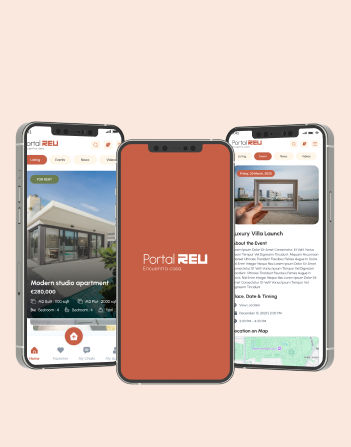
Portal REU enables real estate agencies to collaborate, list, and manage properties within a unified PropTech platform. It centralizes data, automates listings, and helps agencies manage multi-location operations with real-time visibility, accuracy, and synchronization across web, mobile, and software layers.
Developing Portal REU demanded strong engineering to synchronize multi-agency data, ensure speed, and integrate automation. Our team addressed challenges related to data duplication, access roles, multilingual usability, and machine learning performance.
Tuvoc engineered a real estate technology ecosystem with modular APIs, automation workflows, and AI-driven intelligence. The system ensures real-time sync, automated compliance, and future scalability across agencies.

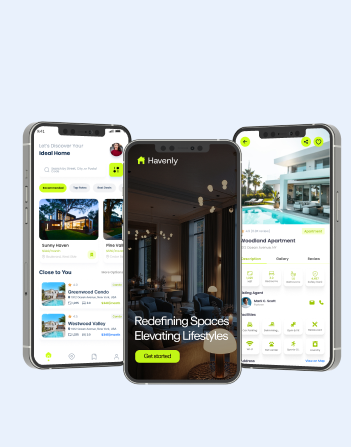
Havenly amplifies luxury property buying through AI-powered personalization, immersive AR/3D tours, and real-time analytics. The platform aims to simplify high-end real estate searches, enhance trust, and streamline the decision-making process for discerning buyers.
Luxury real estate seekers often encounter fragmented, impersonal search experiences lacking trust and transparency. Buyers demanded personalized recommendations, cohesive property data, and immersive previews all while minimizing time-consuming meetings and inefficiencies in property discovery.
We developed a centralized, scalable platform using React.js, Node.js, GraphQL, AWS Lambda, and Python (AI/ML). Features include an AI recommendation engine tailored to user preferences, immersive WebXR-powered 360° property tours, aggregated listings from multiple sources, secure buyer-agent verification, and smart scheduling with AI-assisted documentation.
A fast-growing real estate marketplace sought to improve user engagement and reduce search fatigue across its multi-city property platform. The business needed an AI-driven recommendation engine that could analyze user behavior, personalize listings, and surface properties in real time.
The existing platform relied heavily on manual search filters and static sorting logic. Users often browsed dozens of listings without meaningful engagement, resulting in low inquiry rates. The development team faced challenges in processing behavioral data at scale, integrating recommendation logic with live MLS feeds.
A hybrid model combined collaborative filtering with contextual property attributes to improve relevance. The engine was integrated directly with live listing databases to maintain freshness. Real-time data pipelines ensured personalized recommendations loaded instantly, while an admin analytics dashboard provided visibility into engagement metrics and algorithm performance.



Tuvoc Technologies delivered on time and was responsive. Their commitment to delivering high-quality solutions and forging long-term relationships with customers was outstanding. Following the platform launch, we observed a 40% increase in user engagement and a 25% rise in customer satisfaction.


Tuvoc Technologies delivered a secure and highly efficient web platform for financial management, boosting user participation by 40% and reducing transaction times by 50%. The team used Agile methodologies, was highly responsive, and quickly adapted to changes. The team's expertise stood out.


Thank you, team, for your service. You did a fantastic job. I've worked with many teams on software development projects, but this one gave me an overwhelming experience. You guys really gave us experience like family and friends, more than any professional relationship. Thank you so much again. Keep it up.

We have worked with Tuvoc for several years, and they have consistently delivered high-quality work on time. Their diligence, attention to detail, and proactive communication have made them a reliable partner in developing and maintaining our product's performance.

Thanks to Tuvoc Technologies’ work, the client saw a 40% increase in online transactions, a 25% increase in customer retention, and a 30% reduction in transaction processing time. The team was responsive, attentive, and customer-oriented. They maintained clear and consistent communication.
A marketplace works when buyers find properties without giving up halfway, agents stay busy enough to keep listing, and nothing on the platform is three months out of date. At Tuvoc, we build real estate marketplace features that handle all these aspects properly. Thus, we help your marketplace move as business grows.

One place to see what’s happening across the whole platform, including listings, agents, and activity. Nobody’s piecing together five different reports just to understand the current state of things.

Real estate commission management tracks what’s owed to which agency automatically. Nobody’s reconciling spreadsheets at month-end, trying to remember who closed what.

Agents see assigned listings, and buyers see publicly available data, while admin or business controls everything. Nobody accidentally edits someone else’s property or sees data they shouldn’t.
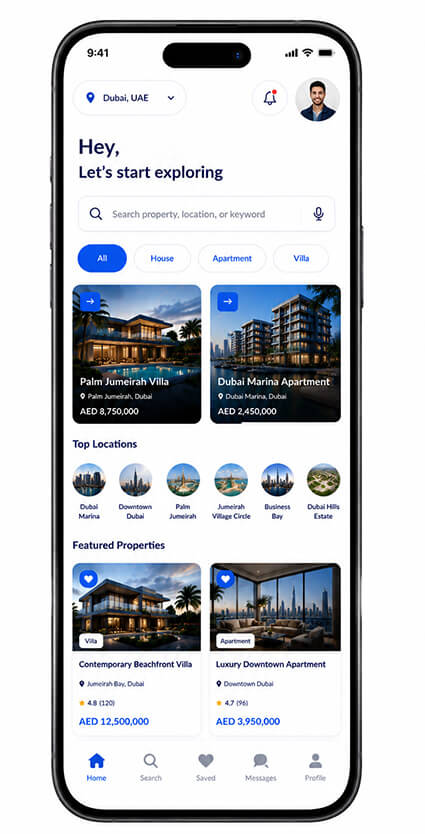

Which listings get clicks, which agents are actually active, and where buyers drop off are visible without exporting anything into a separate tool first.

Agent licenses and listing documentation get checked automatically as they come in. Nobody’s manually verifying paperwork while a listing sits unpublished for days.

Programmatic real estate SEO generates location and property pages at scale. The platform shows up in search without someone manually writing a page for every neighborhood.
A brokerage owner sees what every agent on their team is doing without asking each one individually. Performance gaps show up before they become a real problem.
Photos, floor plans, and descriptions get uploaded and updated in one flow. Agents aren’t juggling three different tools just to publish one listing properly.
An inquiry goes straight to the right agent based on location or specialism. Nobody’s sitting in a shared inbox waiting to be noticed.
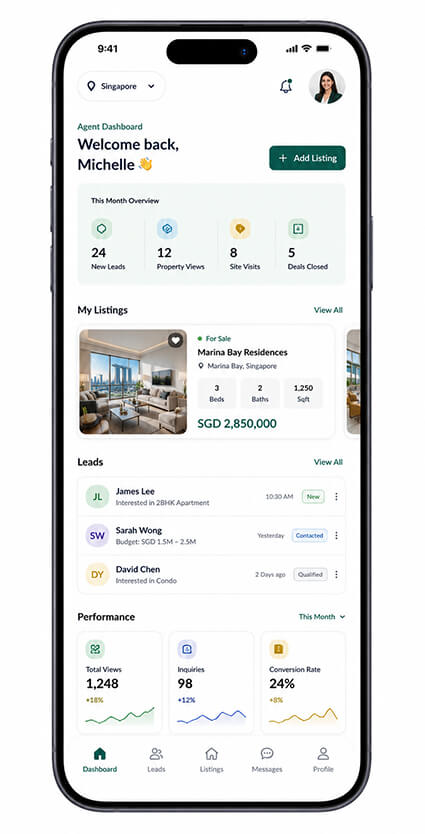
Every buyer conversation lives with that buyer’s record. An agent picks up where things left off instead of asking the same questions twice.
Buyers and agents share documents and updates in one thread. Nothing’s getting lost across separate email chains and missed calls.
Viewings get booked directly against an agent’s actual availability. Nobody’s going back and forth over text trying to find a time that works.

Filters that actually narrow results properly, location, budget, type, and specifics. Buyers stop scrolling through fifty irrelevant listings to find the three that matter.

AI property recommendations surface listings based on what a buyer’s already looked at and saved. Relevant properties show up without the buyer searching for them again.

Buyers message agents directly inside the platform instead of sharing personal numbers or emails. The conversation stays on record and stays secure.
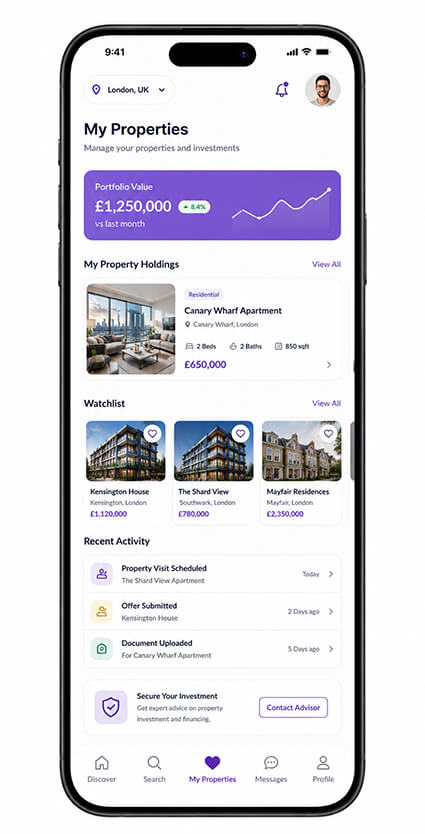

Buyers run affordability and yield numbers without leaving the listing page. Nobody’s exporting figures into a separate spreadsheet to do basic math.

A buyer books a viewing the moment they’re interested, not after waiting for someone to call back. Interest doesn’t have time to cool off.

Offers, agreements, and approvals move through the platform digitally. Nobody’s chasing a signature over email while a deal is still warm.
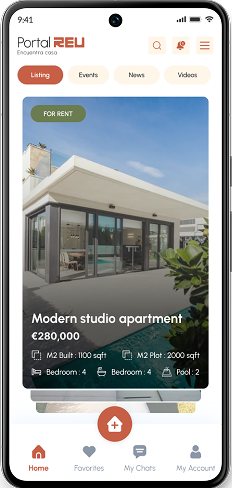
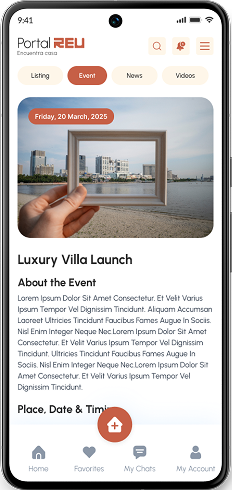
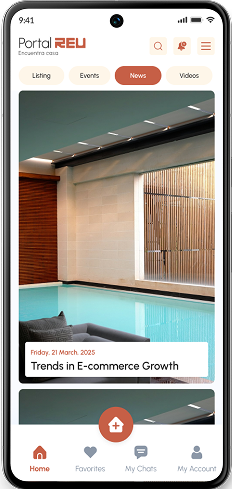
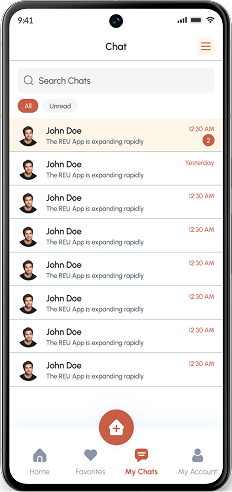
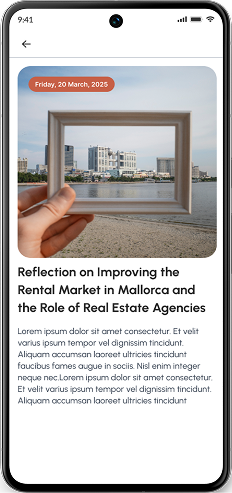
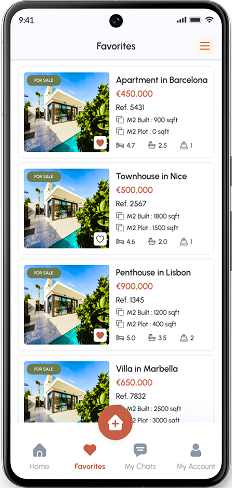
No two marketplaces run the same way. Real estate marketplace solutions can be built for investment, residential sales, commercial leasing, flat-fee listings, or private wholesaling. The right marketplace structure heavily depends on how properties get listed, how deals are closed, and who actually uses it daily. Knowing this, at Tuvoc, we build around the realities of each marketplace model rather than forcing every business into the same structure.
Several brokerages competing on one platform means shared listings but separate books. Each agency needs its own visibility without losing leads to a competitor sitting one screen away.
Commercial properties aren’t sold the way residential properties are sold. A commercial real estate marketplace often has longer sales cycles, complicated property data per listing, and various decision-makers.
Those sellers or their brokers who manage their own listings without having a full-service agent would require a platform that does maximum heavy lifting. Self-service tools replace what an agent would normally handle.
Investors aren’t browsing for a home; they’re evaluating returns. A real estate investment platform needs yield data, portfolio tracking, and deal comparison front and center, not buried under lifestyle photos.
Rental platforms run on an entirely different rhythm than sales ones. Renewals, applications, and tenant screening happen constantly, not once per transaction as a sale does.
Off-market deals depend on speed and trust between a small network of buyers, not public visibility. An off-market real estate platform needs to move fast without ever exposing the deal publicly.
Several brokerages competing on one platform means shared listings but separate books. Each agency needs its own visibility without losing leads to a competitor sitting one screen away.
Commercial properties aren’t sold the way residential properties are sold. A commercial real estate marketplace often has longer sales cycles, complicated property data per listing, and various decision-makers.
Those sellers or their brokers who manage their own listings without having a full-service agent would require a platform that does maximum heavy lifting. Self-service tools replace what an agent would normally handle.
Investors aren’t browsing for a home; they’re evaluating returns. A real estate investment platform needs yield data, portfolio tracking, and deal comparison front and center, not buried under lifestyle photos.
Rental platforms run on an entirely different rhythm than sales ones. Renewals, applications, and tenant screening happen constantly, not once per transaction as a sale does.
Off-market deals depend on speed and trust between a small network of buyers, not public visibility. An off-market real estate platform needs to move fast without ever exposing the deal publicly.
At Tuvoc, we believe in understanding your business goals and operations before we design a single screen. Our real estate marketplace development process is designed to eliminate risks, validate decisions, and prepare your marketplace for a confident launch.
Most marketplace development problems start with assumptions, not technology. During our real estate product discovery process, we validate your business model, so your marketplace solves the right problems and the wrong ones.
Marketplace design isn’t about pretty screens. It’s about whether agents bother listing and buyers bother searching. We identify friction early and design intuitive workflows that make everyday tasks easier rather than costly.
Over the years, we have seen marketplaces struggle the moment listings grow into the thousands. Knowing this, we build a marketplace on a clean structure from day one, so your marketplace scales without expensive rebuilds later.
Most marketplace failures don’t appear until agents start posting listings and buyers begin searching at the same time. We test under those real-world conditions before launch, not after your users discover the problems first.
While selecting the tech stack, Tuvoc thinks about operations under growth pressure. Your marketplace should keep searches fast, listings moving, and interactions smooth. That’s why we build a real estate marketplace architecture that does not let you miss leads, hamper customer engagement, or hit a snag as users and transactions grow.

A listing that’s sold should disappear everywhere at once, not just on the page someone happened to update. Sync that runs constantly in the background keeps every feed showing the same truth.

Real estate map search that lags for even a second loses buyers who’d rather refresh a competitor’s site than wait. Search has to feel instant, not eventually accurate.

A marketing push that actually works shouldn’t be the thing that breaks your platform. We build for the spike before it happens, not the postmortem after.

Usually, payment gateways, listing feeds, and CRMs none of them talk to each other naturally. Real estate API integration is what stops someone on your team from manually syncing data every single morning.

A buyer who gets notified the moment a matching property appears is a buyer who’s still interested. One who finds out three days later through a newsletter usually isn’t.

Payment details and personal documents moving through your marketplace are exactly what attackers go looking for. Security built into the foundation means that the target never becomes a headline.
Your business goals, marketplace dynamics, monetization model, and growth plans determine how Tuvoc picks the right real estate marketplace tech stack. Choosing the wrong stack early either limits business growth or creates expensive rebuilds later. That is why every technology we select is tied to your marketplace’s long-term business needs.
Real estate businesses partnering with Tuvoc for marketplace development gained real control over operational cost, customer data, future growth and above all real estate marketplace ROI. Marketplace ownership elevates the entire business paradigm from living on daily transactions to creating a secure, high-value corporate asset.

When you own the marketplace, every revenue decision stays with you. Real estate marketplace monetization becomes entirely yours to design. No portal taking a cut, no third party deciding what you are allowed to charge for.

When a marketplace platform is built right, real estate platform economics improves with scale. The fact is more listings and more customers do not have to increase the operational cost to run the platform.

When you build on aggregators, they help your competitors grow with your client data. When you own a marketplace, every buyer interaction, every transaction record belongs to you. That very data is what brings growth to your marketplace.

Owning the marketplace platform means owning the lead routing logic too. It ensures that leads are allocated to the right agent instantly instead of waiting for delayed notification from the third party platform.

No algorithm change or fee hike from someone else’s portal can quietly choke your lead flow. The business stands on its own infrastructure.

Having your own platform, you can add a new feature or change the revenue or entire business model. You don’t need to rely on others’ roadmap or anybody’s approval. No one stands between your idea and shipping it.
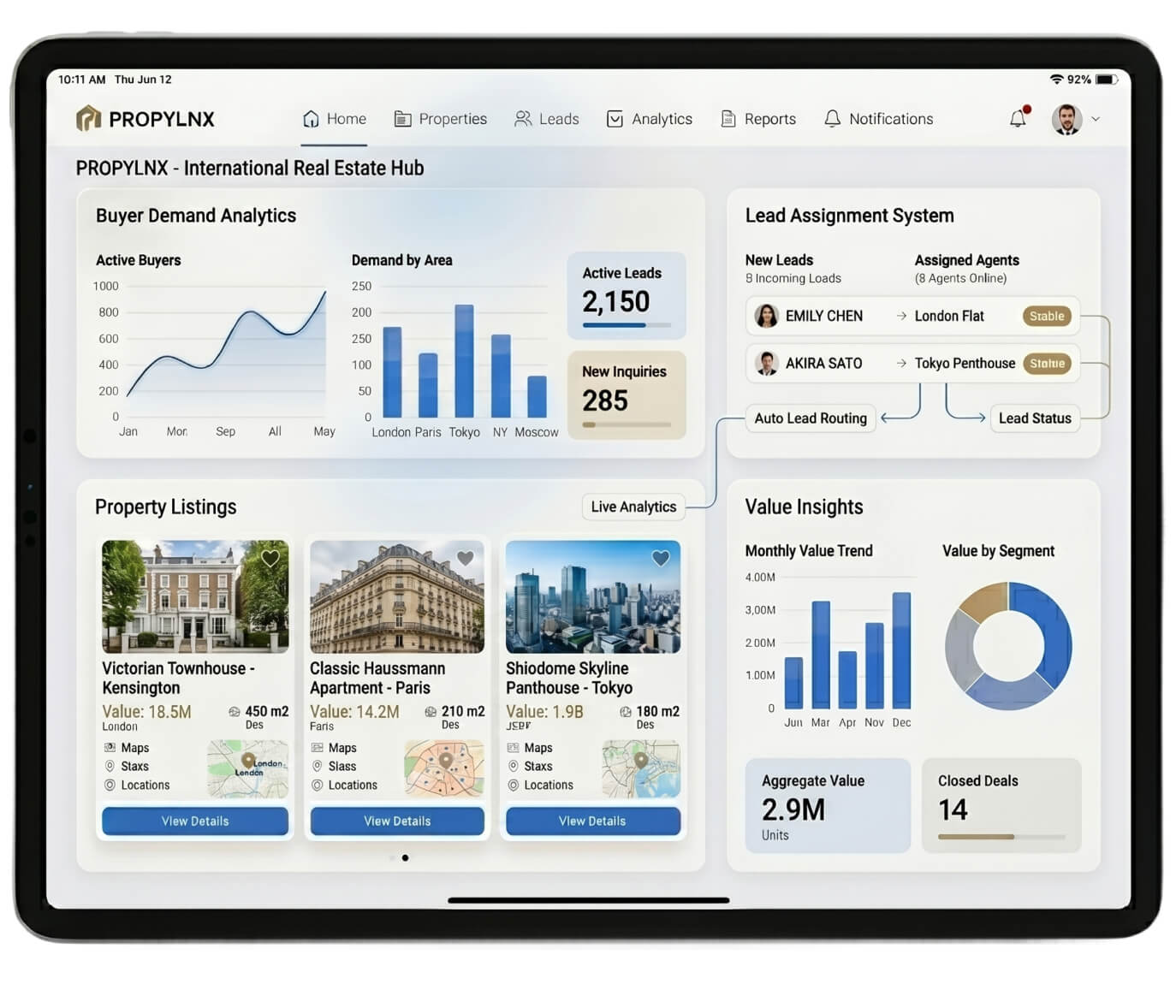
Own the platform, control the economics, and create a business asset that grows stronger with every transaction.
Discuss Your Marketplace Requirements
Our R&D team at Tuvoc studies changing buyer expectations and market evolution before adopting new technologies. Our real estate marketplace innovations help you adapt to changing demand, automate exhausting paperwork, and improve decision-making while helping you stay competitive as the market evolves and increase market share.

Buyers increasingly expect the platform to know what they want without them describing it. Discovery stops being a search bar and starts being something closer to a recommendation that’s already right.

Usually agents begin their conversations by asking regular questions to buyers. Real estate conversational AI assists in answering basic questions on its own without agent intervention.

A real estate automated valuation model that updates pricing as market conditions shift means listings stop relying on a number someone guessed at three months ago.

Photos uploaded to a listing will soon get scanned automatically for room type, condition, and features, instead of relying entirely on whatever description an agent bothered to type.

AI property recommendations will keep learning from what a buyer actually clicks on, not just what they typed into a filter once and forgot about.

The parts of an agent’s day that are pure repetition, drafting the same email or logging the same call, will increasingly happen on their own in the background.
Transparent, scalable plans that support your MVP, POC, or full custom product development.

At Tuvoc, we have built marketplaces strongly rooted in trust. Real estate marketplace compliance protects data and secures transactions to build trust among stakeholders.. Get this wrong and the cost shows up later, usually as a lawsuit, a fine, or users who simply stop trusting the platform.
A listing displayed outside its permitted terms can get your feed access revoked overnight. MLS IDX compliance built in from the start keeps that access intact and your inventory live.
Search filters or ad targeting that inadvertently discriminate can trigger serious legal exposure. Fair housing compliant software removes that risk before a complaint ever reaches a regulator’s desk.
Mishandling a user’s personal data can mean fines that wipe out a quarter’s profit fast. CCPA compliance means that data gets handled properly the first time, no patchwork fixes later.
Storing card details without proper safeguards is exactly what attackers go looking for. PCI DSS compliance keeps that information secure so a breach never becomes your headline.
Fake listings and fraudulent buyers erode trust faster than almost anything else on a marketplace. KYC identity verification catches that before it ever reaches a real transaction.
Inconsistent or manipulated listing data quietly undermines confidence in the whole platform. Clear governance rules keep what users see accurate and consistent across every corner of the marketplace.
At Tuvoc, we help solve marketplace challenges beyond just writing code. Everyone talks about growth without defining it, but a real estate marketplace development company that actually understands operations cost, scalability, and long-term value gets you further than one that only ships features fast.
“Have they actually built one of these before, or am I the test case?” Our real estate marketplace development services come from marketplaces we’ve already taken from launch to scale, not theory.
Most agencies pick a tech stack before understanding your liquidity problem. We start with how supply and demand actually move on your platform, and let that decide the architecture.
“Will I be back here in eighteen months explaining the same problem?” A scalable real estate platform architecture built properly the first time means growth doesn’t force a rebuild later.
New features and emerging technology get added without ripping out what’s already working. You’re not stuck choosing between staying current and keeping the platform stable.

The codebase, the data, the platform itself, all yours. No dependency on us continuing the relationship just to keep your own business running.
Residential, commercial, rental, investment, each model breaks differently under pressure. Having built across all of them means we’ve likely already solved the problem your specific model is about to hit.
“will they disappear once the bills are paid?” Launch is just the beginning of the relationship for us, not the end of it. You will require updates, scaling, new features, and conquer new markets; we will be with you on your path of growth.
When agents, listings, and buyers are scattered across too many disconnected channels, you need a marketplace, because it usually pulls everything together properly.
The very monetization model is different across marketplaces. Off-the-shelf or white-label marketplace works well initially but becomes an obstacle in growth as business grows.
No template can help determine the cost of marketplace development beforehand. Usually features and integrations vary from platform to platform. By our own experience we can say that a basic marketplace can cost between 40K USD to 200K USD. Advanced platforms may go beyond 300K USD.
A lean MVP takes four to six months. Adding more integrations and features stretches that closer to nine or ten.

Thank you for getting in touch! Kindly fill the form, have a great day!