Tuvoc has spent over a decade building real estate websites for global PropTech businesses. As your tech partner offering real estate website development services, we build websites that not only look good, but people actually use to search for properties.
Whether you need a property search portal, an agent website, or a full, AI-driven listing platform, we help you attract the right buyers, turn inquiries into opportunities, and keep your brand in control of the user experience from the first click.
Schedule Your PropTech Strategy Session


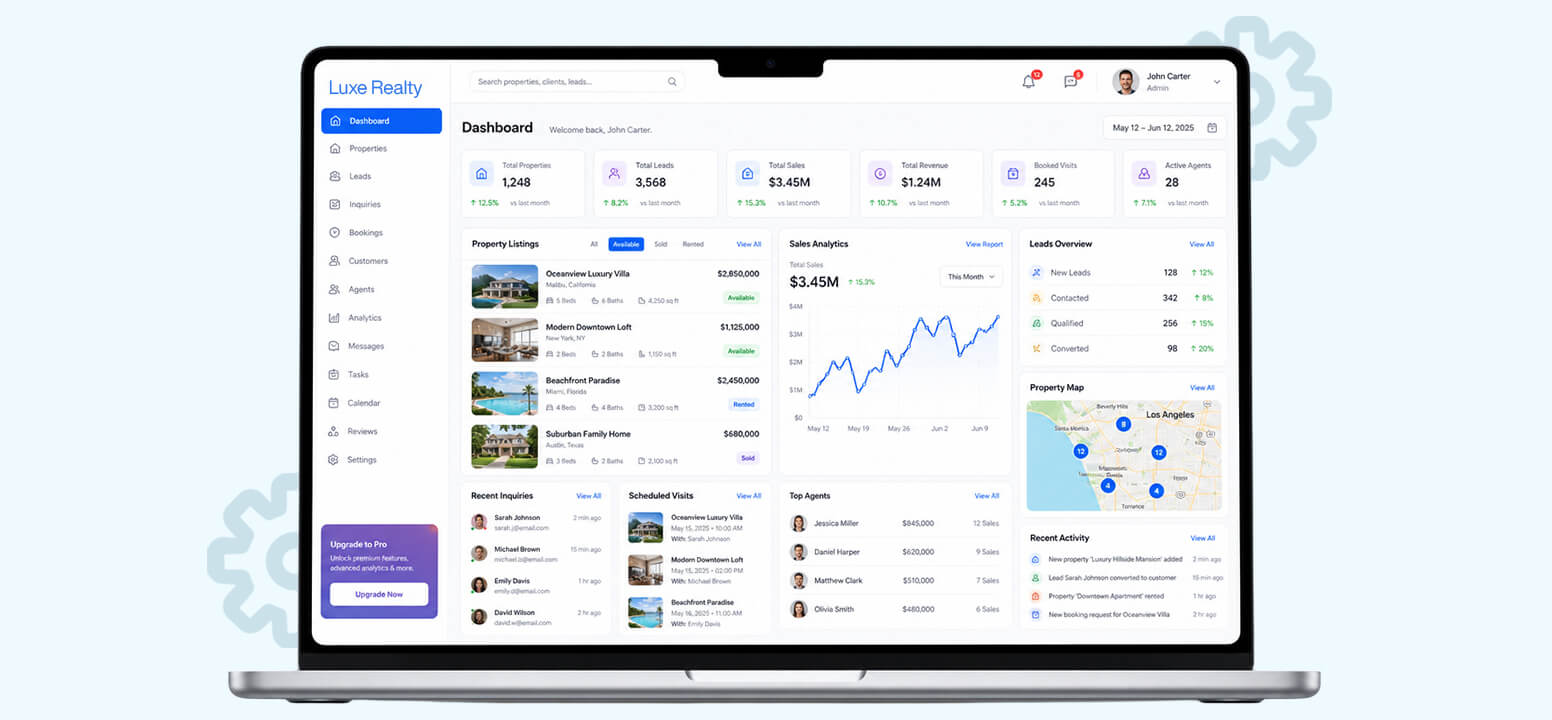













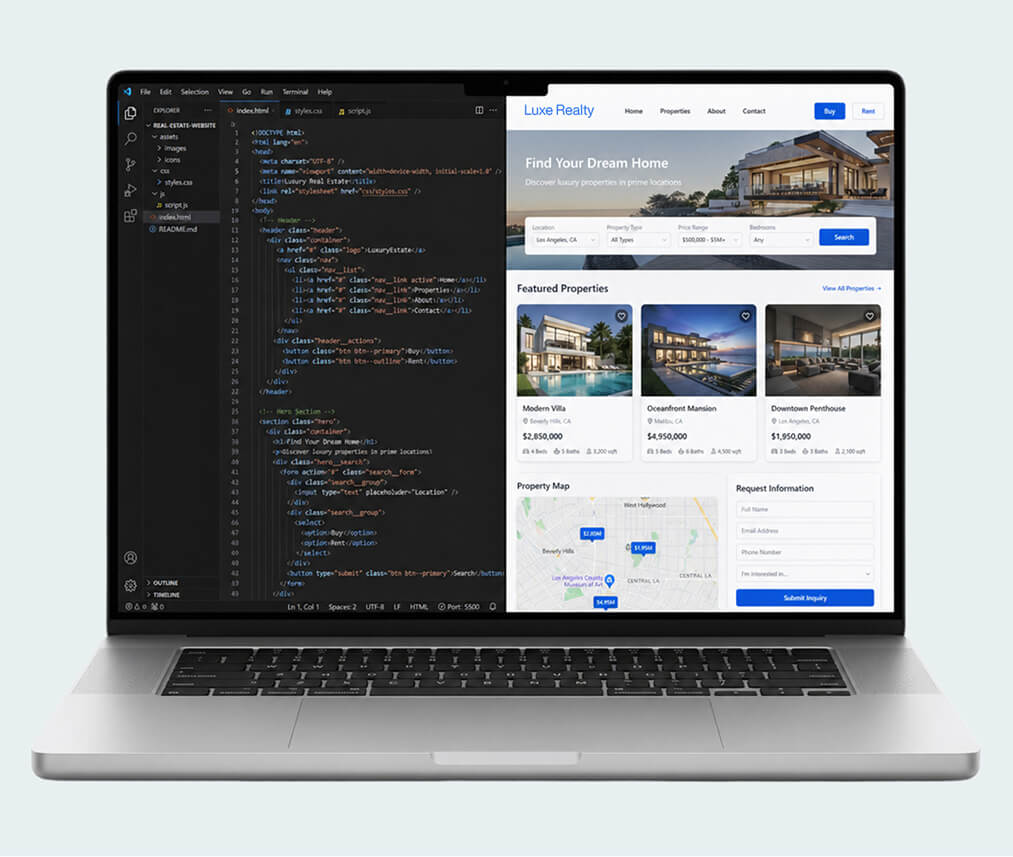
When listings and clicks grow, the website starts working against the business. Listings become hard to manage, and inquiries pile up. A website that was meant to bring customers in starts losing them to competitors.
Being your tech partner, Tuvoc builds real estate websites with intelligent property search and real-time listing updates to help you generate more inquiries, engage customers, and close deals. We help you make the right technology decisions early, so your website remains ready for future growth.
As a partner of many global brands, we know where platforms break and why. Knowing this, we build websites that perform despite growth, integrate with the tools you already use, and remain compliant with local laws from day one.
Talk to Our App ExpertsLeads drop, engagements stale, and conversions elude, although every real estate business expects more inquiries, customer interactions, and deals. Most real estate website challenges are revenue problems with a technology root cause. Knowing this, Tuvoc works with you to find where the platform is losing money and fix it before it affects growth.
Property listing management breaks down when volume grows faster than the system handling it. Outdated prices, wrong availability, and duplicate entries don’t stay as backend problems for long; buyers encounter them, trust drops, and the inquiry never comes.
Traffic without conversion means the marketing budget is working, but the website isn’t. Real estate website conversion optimization matters because every visitor who leaves without inquiring represents a spend that produced nothing. And most businesses don’t realize how much that’s costing.
Custom MLS integration challenges appear when data from multiple listing platforms doesn’t match naturally. Agents remove listing inaccuracies manually; buyers, meanwhile, don’t see properties. This gap in the system is what undermines the confidence of buyers and hurts the business truly.
Most property searches start on a phone. A mobile property search experience that feels slow or cluttered doesn’t get a second chance; buyers don’t wait for pages to load or struggle with filters that don’t work properly. They just opened a competitor’s platform instead.
Ghost listings, properties that sold or were let months ago still appearing in search results, aren’t just a data problem. A buyer who inquires about something unavailable doesn’t come back. The first interaction with your platform became the last one.
A scalable real estate website is the difference between growth that creates opportunity and growth that creates operational debt. Platforms built without scale in mind start breaking at the edges, with slower load times, inconsistent data across locations, and an admin burden that multiplies faster than the revenue does.
To each its own; one may require CRM integration, and another an AI-powered property portal. While most real estate website development services focus on looks, we focus on performance even after a year. When listings and clicks grow, integrations strain, but the website needs to keep converting. Knowing this, Tuvoc builds for the business you are becoming, not just the one you are today.

Every off-the-shelf platform starts looking like every other one after a while. Custom real estate website development means your platform is built around how your business works, your workflows, your market, and your customers, rather than asking your team to adjust to someone else’s assumptions.

Most property websites lose visitors before they inquire, and nobody quite knows why. Real estate website UI UX design at Tuvoc looks at where buyers stop, what slows them down, and what the screen needs to do differently, because a website that looks good but doesn’t convert is just an expensive brochure.

Buyers lose trust the moment they find a listing doesn’t match reality. Custom IDX MLS integration services keep your website data current across every source, with prices, availability, and property details updated automatically so your platform always reflects what’s actually in the market.

Inquiries go cold fast when they don’t reach the right person. Real estate CRM integration connects your website directly to your lead pipeline; every submission lands where it needs to go without your team manually moving anything between systems.

A portal serving buyers, sellers, landlords, and agents simultaneously needs more than good design. Real estate portal development services from Tuvoc handle the architecture behind multi-user platforms, search performance, listing management, and user roles built to stay stable as the platform grows.

Buyers who find relevant properties on the first attempt are far more likely to inquire. AI real estate website development uses behavioral data to personalize results and automate follow-up. The website keeps working between human interactions rather than waiting for someone to pick up where it left off.

Not every business needs to build from scratch to get a platform that feels like theirs. White label real estate website solutions let agencies and PropTech businesses launch under their own brand without the timeline or cost of a full custom build; the foundation is ready, and the identity is yours.

Older platforms don’t fail dramatically; they slow down gradually until the business starts losing ground to competitors running faster, cleaner websites. Real estate website redesign services at Tuvoc modernize what’s there or migrate to a new platform without losing the data, the rankings, or the workflows your team depends on.
Explore how our technology addresses specific market challenges. These case studies show our ability to build custom software and mobile app solutions for the real world. Review these results to see our actual impact.
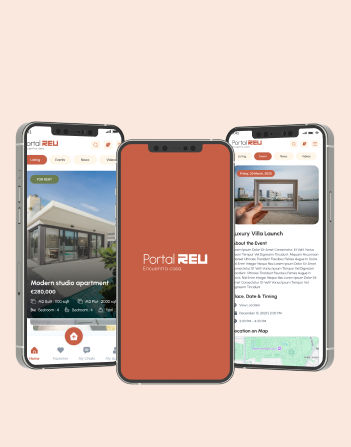
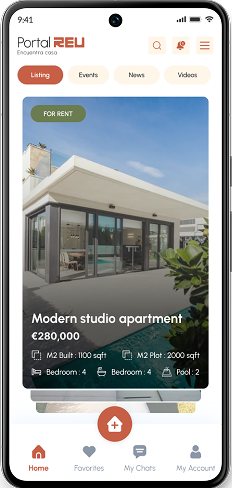
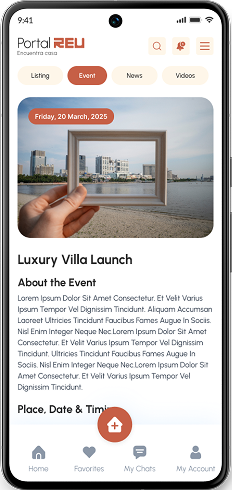
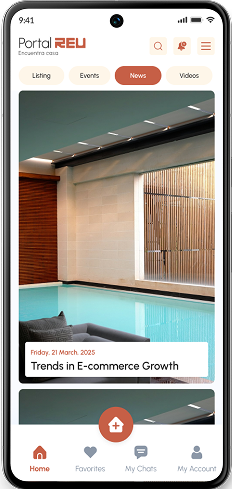
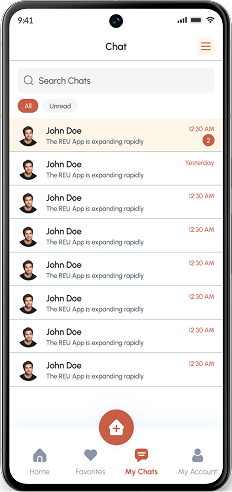
Portal REU enables real estate agencies to collaborate, list, and manage properties within a unified PropTech platform. It centralizes data, automates listings, and helps agencies manage multi-location operations with real-time visibility, accuracy, and synchronization across web, mobile, and software layers.
Developing Portal REU demanded strong engineering to synchronize multi-agency data, ensure speed, and integrate automation. Our team addressed challenges related to data duplication, access roles, multilingual usability, and machine learning performance.
Tuvoc engineered a real estate technology ecosystem with modular APIs, automation workflows, and AI-driven intelligence. The system ensures real-time sync, automated compliance, and future scalability across agencies.

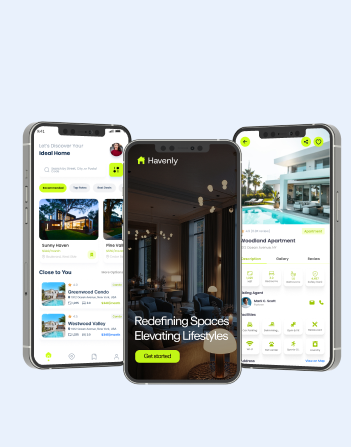
Havenly amplifies luxury property buying through AI-powered personalization, immersive AR/3D tours, and real-time analytics. The platform aims to simplify high-end real estate searches, enhance trust, and streamline the decision-making process for discerning buyers.
Luxury real estate seekers often encounter fragmented, impersonal search experiences lacking trust and transparency. Buyers demanded personalized recommendations, cohesive property data, and immersive previews all while minimizing time-consuming meetings and inefficiencies in property discovery.
We developed a centralized, scalable platform using React.js, Node.js, GraphQL, AWS Lambda, and Python (AI/ML). Features include an AI recommendation engine tailored to user preferences, immersive WebXR-powered 360° property tours, aggregated listings from multiple sources, secure buyer-agent verification, and smart scheduling with AI-assisted documentation.
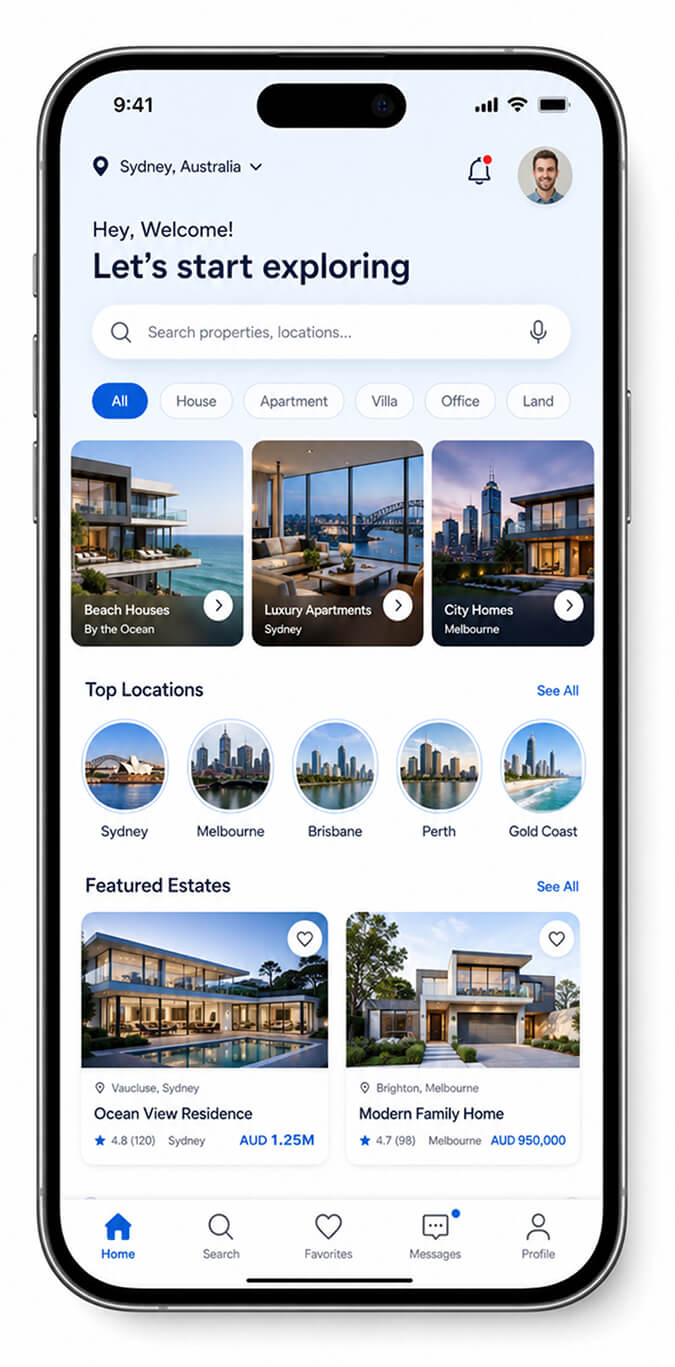
A fast-growing real estate marketplace sought to improve user engagement and reduce search fatigue across its multi-city property platform. The business needed an AI-driven recommendation engine that could analyze user behavior, personalize listings, and surface properties in real time.
The existing platform relied heavily on manual search filters and static sorting logic. Users often browsed dozens of listings without meaningful engagement, resulting in low inquiry rates. The development team faced challenges in processing behavioral data at scale, integrating recommendation logic with live MLS feeds.
A hybrid model combined collaborative filtering with contextual property attributes to improve relevance. The engine was integrated directly with live listing databases to maintain freshness. Real-time data pipelines ensured personalized recommendations loaded instantly, while an admin analytics dashboard provided visibility into engagement metrics and algorithm performance.



Tuvoc Technologies delivered on time and was responsive. Their commitment to delivering high-quality solutions and forging long-term relationships with customers was outstanding. Following the platform launch, we observed a 40% increase in user engagement and a 25% rise in customer satisfaction.


Tuvoc Technologies delivered a secure and highly efficient web platform for financial management, boosting user participation by 40% and reducing transaction times by 50%. The team used Agile methodologies, was highly responsive, and quickly adapted to changes. The team's expertise stood out.


Thank you, team, for your service. You did a fantastic job. I've worked with many teams on software development projects, but this one gave me an overwhelming experience. You guys really gave us experience like family and friends, more than any professional relationship. Thank you so much again. Keep it up.

We have worked with Tuvoc for several years, and they have consistently delivered high-quality work on time. Their diligence, attention to detail, and proactive communication have made them a reliable partner in developing and maintaining our product's performance.

Thanks to Tuvoc Technologies’ work, the client saw a 40% increase in online transactions, a 25% increase in customer retention, and a 30% reduction in transaction processing time. The team was responsive, attentive, and customer-oriented. They maintained clear and consistent communication.
Real estate website features that cut admin work, eliminate ghost listings, and convert high-intent buyers faster increase ROI. Features are not checklists but the operational backbone of any real estate business. Tuvoc builds features that actually reduce overhead expenses and help teams handle more inquiries without adding more work as usage grows.

Automated real estate lead routing software sends each inquiry to the right person immediately. Leads do not remain unattended in the inbox waiting for someone to respond.

Shows which listings attract attention and where visitors drop off. Decisions about what to promote and what to fix stop being guesswork.

Predictive lead scoring for real estate ranks inquiries by buying readiness. The team then can focus on the most likely to convert inquiries rather than prioritizing each one.

Agreements, verification documents, and compliance records are stored in one place. Nothing gets lost between email threads when a dispute or audit arrives.

Buyers from different markets use the platform without friction. International inquiries don’t drop off because the website only works in one language or currency.

Real estate CRM integration solutions keep website data and business systems updated simultaneously. No manual exports, no data gaps between what the website captured and what the CRM shows.
Real estate chat automation handles initial inquiries and viewing bookings without agent involvement. Response time drops from hours to seconds on the first interaction.
Filters serious buyers from early-stage browsers before an agent gets involved. Appointments are set with people who are actually ready to move.
Real estate lead management gives agents one view of every active inquiry and where it stands. Nothing progresses without someone knowing what the next step is.
Shows each agent’s activity, conversion rates, and pipeline in real time. Performance gaps become visible before they start affecting revenue.
Every interaction with a buyer or seller is stored in one place per client. Agents pick up conversations without asking customers to repeat themselves.
Real estate marketing automation workflows alert agents for timely follow-ups. Agents can continuously interact with customers until the buyer is ready for the deal.
Buyers narrow results by price, location, type, and specific requirements quickly. Irrelevant listings stop eating up the time of someone who already knows what they want.
Map-based property search development lets buyers draw their own search area rather than relying on postcodes. Properties in the right location surface regardless of how boundary lines are drawn.
Voice property search lets buyers describe what they want in natural language. Search becomes faster for mobile users who find typing filters slower than just saying what they need.
Virtual tour software for real estate websites allows buyers to view property remotely before visiting it physically. Serious inquiries arrive better informed, and wasted viewings are reduced.
The AI property recommendation engine surfaces listings based on what a buyer has viewed and saved. Relevant properties appear without the buyer having to search for them manually.
Real estate investment calculator integration gives buyers yield estimates and affordability figures inside the platform. Investors make faster decisions without leaving the website to run their own numbers.
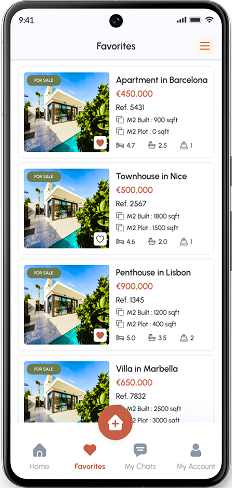
A custom real estate website solution is built only for your workflows, day-to-day operations, and growth without breaking the system. A solo agent managing fifty listings needs something different from a developer launching 300 units at once. Tuvoc builds around what your business actually does day to day, not a template that fits everything.
A single agent juggling listings, inquiries, and follow-ups doesn’t need enterprise software; they need something fast to update and easy to manage alone. The website has to work without a tech team behind it, because there isn’t one.
Multiple agents working under one brand need shared visibility without losing individual ownership of their leads. Real estate brokerage website development accounts for that balance: one platform, many users, and clear boundaries on who sees what.
A marketplace isn’t one agency talking to its own customers. It’s buyers, sellers, landlords, and tenants all moving through the same platform at once. Real estate marketplace development services are built for that volume from the start, not patched in after launch.
A developer selling units off-plan needs to show what doesn’t exist yet, renders, payment plans, and construction updates convincingly enough that buyers commit before they can physically walk through it. Real estate developer website development is built around that specific selling motion.
Selling a property is one transaction. Managing tenants, maintenance requests, and renewals across dozens or hundreds of units is something else entirely, ongoing, never quite finished. Property management portal development handles that continuous relationship rather than a single closing.
Guests check in and out faster than tenants ever do. Availability calendars shift daily, sometimes hourly. Short-term rental platform development is built for that pace, real-time booking, and a guest experience that feels closer to hospitality than property sales.
A single agent juggling listings, inquiries, and follow-ups doesn’t need enterprise software; they need something fast to update and easy to manage alone. The website has to work without a tech team behind it, because there isn’t one.
Multiple agents working under one brand need shared visibility without losing individual ownership of their leads. Real estate brokerage website development accounts for that balance: one platform, many users, and clear boundaries on who sees what.
A marketplace isn’t one agency talking to its own customers. It’s buyers, sellers, landlords, and tenants all moving through the same platform at once. Real estate marketplace development services are built for that volume from the start, not patched in after launch.
A developer selling units off-plan needs to show what doesn’t exist yet, renders, payment plans, and construction updates convincingly enough that buyers commit before they can physically walk through it. Real estate developer website development is built around that specific selling motion.
Selling a property is one transaction. Managing tenants, maintenance requests, and renewals across dozens or hundreds of units is something else entirely, ongoing, never quite finished. Property management portal development handles that continuous relationship rather than a single closing.
Guests check in and out faster than tenants ever do. Availability calendars shift daily, sometimes hourly. Short-term rental platform development is built for that pace, real-time booking, and a guest experience that feels closer to hospitality than property sales.
A website project stays on track when there is a clear strategy behind every stage. It ensures the website stays within budget, launches on time, and does so without surprising breakdowns. Tuvoc’s structured real estate website development process helps avoid mistakes before they become a risk.
This is where wrong assumptions get caught before any code is written. Skip it, and you end up building the wrong thing well, which costs more to fix than building right the first time.
Bad design decisions made here don’t show up until launch, when visitors are already leaving. We catch confusing layouts and broken user flows on screen, not in analytics three months later.
Custom real estate website development done without proper structure creates technical debt nobody notices until the site can’t handle growth. We build cleanly from the start, so scaling later doesn’t mean rebuilding.
Most launch-related problems aren’t visible until real traffic hits. Testing under load before going live catches the bugs and crashes alongside slow loading and fractured integrations before customers can see them.
Modern real estate website technology keeps your site fast and syncs property data instantly to put hot leads in front of agents before they go cold. None of this happens by accident; it’s built into how the platform runs underneath what buyers actually see. Tuvoc combines them into a website to support future growth.

Some buyers know exactly what they want. Most don’t, not fully. AI in real estate website development picks up on what someone keeps coming back to and quietly adjusts what listings get shown next without anyone filling out a preferences form.

There’s a particular kind of awkwardness when a buyer calls excited about a flat that sold three weeks ago. Real-time sync is mostly about avoiding that exact phone call across every portal, every feed, at the same time.

Nobody gets excited about an integration. They are the unglamorous wiring between your CRM, your payment processor, and your listing feeds, invisible right up until someone has to manually move data because two systems stopped talking.

Launch day traffic is unpredictable, and the website usually finds that out the hard way. A scalable real estate platform means that one day, everything that depends on going well doesn’t become the day the site falls over.

A follow-up that never happened because someone got busy costs more than it should. Real estate lead automation software picks up the ones a person would have genuinely meant to do but didn’t get to.

Every click, scroll, and drop-off gets recorded somewhere that actually gets looked at. Decisions about what to change on the website stop being guesses and start being based on what buyers are actually doing.
Most property businesses don’t think about real estate website tech stacks, and they shouldn’t have to. What matters is whether the website continues to perform as listings, inquiries, and customers grow. Tuvoc chooses technologies that support growth without creating additional work for your team.
More listings do not always have to mean more admin work and higher costs. Custom real estate websites help prevent valuable inquiries from being missed while reducing the manual work that usually comes with growth. That’s where the real estate website development benefits of partnering with Tuvoc begin.

Worried your website only attracts browsers, not buyers? A proper real estate lead generation website solution sets up filters for intent early. The people reaching out are closer to ready than the ones just scrolling.

Getting inquiries was never the hard part; closing them is. Real estate website conversion rate optimization looks at where people actually drop off and fixes that specific point, not the whole funnel blindly.

Nobody wants their best agent spending half the day on tyre-kickers. Automated real estate lead qualification sorts that out before a human even picks up the phone, so time goes where it actually counts.

Guessing what’s working on the website is a normal way to run things, just not a good one. Once the data is actually visible, decisions stop being based on a hunch from last quarter.

Adding ten more listings shouldn’t mean adding ten more headaches. The platform absorbs that growth quietly in the background instead of demanding a bigger team just to keep up.

Chasing buyers for their documents and later their signatures consumes more time than one admits. Digitizing and automating these parts means businesses spend less time on paperwork and more time interacting with customers.

Handle more buyers, listings, and enquiries without increasing manual work or creating operational bottlenecks.
Talk to Our Real Estate Experts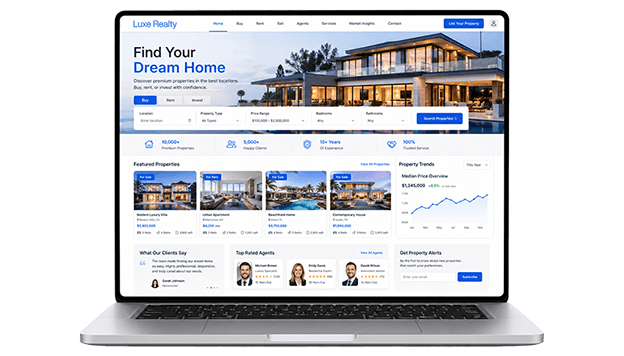
Websites will talk to buyers naturally, recommend perfect matches, and help them walk through the property virtually. Buyers won’t keep filtering and scrolling pages. Tuvoc continues innovations because customer expectations are changing rapidly. The future of real estate websites will be shaped by businesses that understand buyer behavior better and convert more opportunities into transactions.

A buyer hasn’t opened the app yet, but their bank statements, saved searches, and browsing habits already point somewhere specific. Predictive real estate search technology gets there first; the property finds the buyer before the buyer goes looking.

The website a first-time buyer sees won’t look like the one an investor sees, and neither should it. Layout, language, and even which listings surface first will shift based on who’s actually looking.

People often say things like “somewhere near good schools, under budget, with outdoor space.” That’s what an AI property search assistant is actually unleashing, not adding more filter options, just finally listening properly.

Buyers second-guess themselves constantly, is this the right price, the right area, the right time? Future platforms won’t just show listings; they’ll help weigh the decision itself, the way a good advisor would over coffee.

Most investors are still reading the market a few months late. Real estate predictive analytics software flags where yields are likely heading before the shift shows up in everyone else’s spreadsheet.

Walking through a property that doesn’t physically exist yet, or is on the other side of the world, stops being a novelty and starts being how people actually shop for property.

Nobody wants to be the agent explaining why the listing still says “available” three weeks after it sold. Data that corrects itself the moment something changes removes that conversation entirely.

Plenty of buyers still want to see a stamp of authenticity and actually sign a physical page. Secure real estate e-closing software has a trust problem, not a technology one. The paperless process has to feel as final as the paper one did.
Transparent, scalable plans that support your MVP, POC, or full custom product development.

Let’s not face lawsuits for a data breach or website suspension from authorities. Most compliance problems don’t show up until authorities impose heavy fines. Getting IDX integration, MLS integration, and website security from the beginning prevents disputes later. Knowing this, Tuvoc builds with these requirements early to avoid costly course corrections.
A listing feed that breaks the rules can get pulled without warning, taking your inventory with it. IDX MLS data compliance standards built in from day one keep that feed running and keep your access intact.
One mishandled customer record can turn into a fine that wipes out months of profit. Real estate data privacy compliance means buyer information is handled properly the first time, not patched up after a complaint.
Listings that don’t match permit records get flagged, sometimes pulled from the market entirely. Automated checks against RERA and DLD requirements catch the mismatch before it becomes a regulator’s problem to find.
While running an email campaign, if you ignore anti-spam rules, your domain can be blocklisted. Suddenly, nobody gets your mail. Following the rules ensures you reach out to people who matter to your business.
Payment details and personal documents sitting unprotected are exactly what attackers go looking for. Secure real estate website development closes that gap before it ever becomes a headline nobody wants attached to their brand.
A website that’s hard to use for someone with a disability isn’t just bad practice; it’s a legal exposure. ADA-compliant real estate website development removes that risk while making the site genuinely easier for everyone to use.
Most real estate website development company comparisons start with a portfolio and end with a guess. Look closer and what actually matters is whether they understand property data, build for how people search on their phones, and care about turning visitors into actual enquiries, not just shipping a website that looks finished.
“Do they actually understand real estate?” Custom PropTech software development experience means we have already seen where listings break, where leads go cold, and where most generic developers guess wrong.
Plenty of projects launch on time and still fail to deliver results. We track what happens after the site goes live, not just whether it shipped on schedule. If conversion doesn’t move, neither of us is really finished.
Most websites are designed for today’s requirements. Ten times the listings, three new markets, double the team, that’s the version we’re actually building for, even if it’s not the one signing off today.
“Will buyer data and payment details actually stay safe?” Security isn’t something we mention in the proposal and circle back to later. It’s part of the architecture before a single feature gets added.

Budget problems rarely start halfway through a project. They usually start before anyone scoped it properly. We spend the time upfront so the number you agree to stays the number you pay.
A decade across multiple markets means most of the problems your project might hit, we’ve already hit on someone else’s. “Can they actually deliver” stops being a question we need to answer with adjectives.
Three weeks of silence between milestones is how trust dies on a project. You’ll know what stage things are at without having to chase anyone for it.
If your workflow is different from others; yes, you should. Templates work fine at the initial states but they limit your growth when listings and customers grow.
Varies with features and integrations, honestly. Most projects are completed for 40K USD to 150K USD. Usually cost is determined by complexity and futuristic scope.
A focused MVP usually takes two to four months. Bigger platforms with integrations and custom features run longer, closer to six.
A website represents your business. A portal connects multiple parties, buyers, sellers, agents, under one shared marketplace structure.

Thank you for getting in touch! Kindly fill the form, have a great day!